How to Disagree Diplomatically in English
Lesson: Diplomatic English: How to Disagree Politely
This is a lesson I teach to professionals who need to disagree with colleagues, partners or clients without causing offence. Together we learn words like tactful, push back and common ground, and practise softening a strong opinion so it sounds like a concern, not an attack.
In short: the key language in this lesson
Useful phrases
- Disagreeing politely with someone's opinion: That's a fair point, though I'm not sure ___ because ___.
- Softening a criticism or a 'no': I really like the idea, but I'm a little worried about ___.
- Finding common ground in a disagreement: We don't see eye to eye on ___, but we agree that ___, so how about ___?
Key words
- soften:
- to make words or a message sound less strong or less rude
- push back:
- to disagree with or resist an idea, plan or decision
- see eye to eye:
- to agree with someone completely or share the same opinion
- tactful:
- careful with words so you don't upset anyone
- common ground:
- opinions or interests that two people share
Idioms and phrasal verbs
- clash:
- To disagree strongly or have conflicting ideas.
- get along:
- To have a friendly relationship with someone.
- call off:
- To cancel an event or plan.
- a win:
- A successful outcome or a positive result for someone.
This lesson is designed to be taught live, not studied alone. I create every lesson and teach it myself, one-to-one. In class, I guide you through each part, ask follow-up questions, correct your mistakes and help you say more.
Here you can see exactly what a lesson with me looks like. For my students, I build lessons like this around their own job and goals.
1 Warm-up
Think about the last time you disagreed with someone. How did the conversation go? Did it stay friendly, or did it get uncomfortable? Today we'll learn how to disagree in English without hurting anyone's feelings.
We start with a relaxed chat. I ask these questions, you answer freely, and I note useful language for later.
- When was the last time you disagreed with someone? What was it about?
- Do you enjoy a friendly argument, or do you try to avoid conflict?
- Is it easier to disagree with friends or with people at work? Why?
- In your language and culture, how do people show they disagree politely?
- Have you ever said yes to something you didn't really agree with? What happened?
2 Key vocabulary
Before the reading, we go through 5 key words together: how to say them, what they mean, and how people really use them.

soften verb
Pronunciation: /SOF-un/
to make words or a message sound less strong or less rude
- She softened her criticism by starting with a compliment.
- You could soften the bad news by explaining the reasons first.
- He softened his 'no' with a smile and a thank-you.
- I usually soften my emails so they don't sound angry.
Common phrases soften your tonesoften the messagesoften the blow
Word family soft (adjective)softly (adverb)softener (noun)
How to use it: Use 'soften' when talking about changing how a message sounds, not what it means. Very common in emails and feedback: 'Let me soften this a bit.'
- Similar
- make gentler, tone down, ease
- Opposite
- sharpen, harden
- Often used in
- emails, giving feedback, difficult conversations

push back phrasal verb
Pronunciation: /push BAK/
to disagree with or resist an idea, plan or decision
- When the boss suggested weekend work, the team pushed back.
- Several customers pushed back against the new price.
- She pushed back politely and asked for more time.
- Don't be afraid to push back if the plan seems unfair.
Common phrases push back against a decisionpush back politelyget pushback from someone
Word family pushback (noun)
How to use it: Common at work. It can be neutral or negative depending on how you do it: you can push back politely or strongly.
- Similar
- object, resist, oppose
- Opposite
- accept, go along with
- Often used in
- work meetings, negotiations, family decisions

see eye to eye idiom
Pronunciation: /see EYE too EYE/
to agree with someone completely or share the same opinion
- My sister and I don't always see eye to eye about money.
- The two managers finally see eye to eye on the budget.
- We don't see eye to eye, but we still respect each other.
- It's rare for the whole family to see eye to eye on holidays.
Common phrases not see eye to eyesee eye to eye on somethingfail to see eye to eye
Word family agree (verb)agreement (noun)
How to use it: Most often used in the negative: 'We don't see eye to eye.' It sounds friendly, not angry, when people disagree.
- Similar
- agree, be on the same page, share views
- Opposite
- disagree, clash
- Often used in
- family talks, friendships, work relationships

tactful adjective
Pronunciation: /TAKT-ful/
careful with words so you don't upset anyone
- It was tactful of her to mention the mistake in private.
- He gave tactful feedback instead of blunt criticism.
- A tactful answer saved her friend from embarrassment.
- Being tactful doesn't mean lying; it means choosing kind words.
Common phrases a tactful replybe tactful about somethingtactful way of saying
Word family tact (noun)tactfully (adverb)
How to use it: Use it to praise someone's communication: 'That was tactful.' The opposite, 'tactless', means saying things that upset people.
- Similar
- diplomatic, considerate, sensitive
- Opposite
- blunt, tactless
- Often used in
- feedback, bad news, social situations

common ground noun phrase
Pronunciation: /KOM-un GROWND/
opinions or interests that two people share
- We found common ground: both of us wanted to save money.
- The two countries searched for common ground on trade.
- Music was the common ground that started their friendship.
- Start with common ground, then explain your differences.
Common phrases find common groundlook for common groundbuild on common ground
Word family ground (noun)common (adjective)
How to use it: Usually used with 'find' or 'look for'. It's a positive idea in negotiations: focus on what you share before arguing about differences.
- Similar
- shared views, mutual understanding, overlap
- Opposite
- differences, conflict
- Often used in
- negotiations, debates, new friendships
3 Reading
Read this short article about why polite disagreement matters, and how people do it well.
In class, you read the text aloud. I help with pronunciation and natural rhythm, and then we talk about it.
The Art of Disagreeing Nicely
Last month, two colleagues, Marta and Daniel, had to plan a company event together. Marta wanted a big dinner at a restaurant. Daniel thought a small picnic would be better. At first, they could not see eye to eye at all, and their emails started to sound cold and unfriendly.
Then Daniel tried a different approach. Instead of saying 'That's a bad idea', he softened his message. He said, 'I see why a dinner would be fun, but I'm a little worried about the cost.' By adding a few gentle words, he made his disagreement sound like a concern, not an attack.
Marta pushed back a little. 'But everyone loved the dinner last year,' she said. Still, she noticed that Daniel was being tactful. He never said her idea was wrong; he only explained his worries. Because of this, she stayed calm and kept listening.
Slowly, the two of them found common ground. They agreed on a simple dinner at a cheaper place, which satisfied both of them. Neither person got exactly what they wanted, but both felt respected. That, Daniel says, was the real win.
Experts say this skill matters everywhere: at work, at home, and online. When you disagree softly, people listen to your reasons instead of defending themselves. A polite 'no' often opens more doors than a loud 'yes'. The next time opinions clash, try softening your words first.
4 Comprehension
We check what you understood from the reading. You explain your answer in your own words. (The answers are under each question.)
-
What does 'soften' mean?
Show answer
To make a message sound less strong or rude
'Soften' your words means to make them gentler, for example by adding 'I'm a little worried' instead of 'That's wrong'.
-
In which situation would you 'push back'?
Show answer
When your boss asks you to work weekends and you think it's unfair
'Push back' means to resist or disagree with a request, plan or decision.
-
What does 'see eye to eye' mean?
Show answer
To agree completely with someone
If you see eye to eye with someone, you share the same opinion. It's often used in the negative: 'We don't see eye to eye.'
-
Which sentence uses 'tactful' correctly?
Show answer
She was tactful and mentioned the mistake privately, not in front of everyone.
'Tactful' describes careful words that avoid upsetting people. Telling someone about a mistake in private is a tactful choice.
-
What does 'common ground' mean?
Show answer
Opinions or interests that two people share
Common ground is what you share with another person, and it's a good starting point when you disagree about other things.
5 Idioms and phrasal verbs
You find each expression in the reading and guess what it means. Then we practise using it to talk about your own life and work.
clash
From the readingThe next time opinions clash, try softening your words first.
What do you think it means? Show meaning
To disagree strongly or have conflicting ideas. (similar: conflict)
Example: Their different working styles often clash in the office.
- This word is very common in both formal and informal discussions about ideas.
Your turn: Do you think people **clash** more often when they are stressed or tired?
get along
What do you think it means? Show meaning
To have a friendly relationship with someone. (similar: be friendly with)
Example: I get along really well with my new team members.
- This is a very common, everyday phrase used in both personal and professional settings.
Your turn: Do you **get along** easily with people who have very different opinions from you?
call off
What do you think it means? Show meaning
To cancel an event or plan. (similar: cancel)
Example: They had to call off the outdoor party because of the bad weather.
- This phrasal verb is used frequently in news and casual conversation.
Your turn: Have you ever had to **call off** a plan because of a disagreement or a conflict?
a win
What do you think it means? Show meaning
A successful outcome or a positive result for someone. (similar: success)
Example: Finding a compromise was a big win for both sides.
- This phrase is very common in modern, casual conversation, especially when talking about negotiations.
Your turn: What was a recent personal **win** for you, big or small?
6 Sentence frames
Practice expressing disagreement, softening your opinion, and finding common ground.
We start with the simple frame and step up to longer, more natural sentences. You fill the gaps with your own ideas, and I help you sound more fluent.
Disagreeing politely with someone's opinion
Grammar contrast connectors (but, however)hedging language (I'm not sure, maybe)
-
Simple
I see your point, but ___.
Acknowledge first, then disagree simply.
Example answers
- I see your point, but I think the picnic is cheaper.
- I see your point, but I'd rather stay home tonight.
- I see your point, but my experience was different.
-
Stronger
That's a fair point, though I'm not sure ___ because ___.
Show respect, add doubt, give a reason.
Example answers
- That's a fair point, though I'm not sure a big dinner works because the budget is small.
- That's a fair point, though I'm not sure everyone enjoys parties because some people are shy.
- That's a fair point, though I'm not sure it's fair to compare the two cities because they're very different.
Softening a criticism or a 'no'
Grammar softeners (a little, I'm afraid, unfortunately)modal verbs (might, could)
-
Simple
I'm afraid ___.
A simple softener before bad news.
Example answers
- I'm afraid I can't come on Friday.
- I'm afraid that's a bit over our budget.
- I'm afraid I don't fully agree with the plan.
-
Stronger
I really like the idea, but I'm a little worried about ___.
Praise first, then express a small concern.
Example answers
- I really like the idea, but I'm a little worried about the cost.
- I really like the idea, but I'm a little worried about the timing.
- I really like the idea, but I'm a little worried that people will be too tired.
Finding common ground in a disagreement
Grammar conditionals (If we..., we could...)suggestion language (How about, we could)
-
Simple
We both want ___, so ___.
Name the shared goal, then suggest a step.
Example answers
- We both want to save money, so let's pick a cheaper place.
- We both want a fun weekend, so let's combine our ideas.
- We both want the project to succeed, so let's split the tasks.
-
Stronger
We don't see eye to eye on ___, but we agree that ___, so how about ___?
Name the difference, find the shared point, suggest a compromise.
Example answers
- We don't see eye to eye on the location, but we agree that the food matters, so how about a small place with great food?
- We don't see eye to eye on the budget, but we agree the event should be fun, so how about asking for sponsors?
- We don't see eye to eye on the date, but we agree everyone should come, so how about a weekend instead?
7 Fill in the blanks
A quick practice with the new words: you choose the right word for each gap.
Word box softenpush backsee eye to eyetactfulcommon ground
Last week, my brother and I argued about where to spend our family holiday. He wanted the beach; I preferred the mountains. We didn't 1 at all, so I tried to 2 the conversation by saying his idea sounded fun too. He 3 a little and said the mountains would be too cold, but he did it in a very 4 way, so I didn't feel attacked. In the end, we found 5: a lake town with both swimming and hiking. Everyone was happy.
Show answers
- see eye to eye
- soften
- pushed back
- tactful
- common ground
8 Sentence unscramble
You put the words in order and say the sentence out loud.
-
abouteyeeyeseealwaysdon'tmoneytowe
Show answer
We don't always see eye to eye about money.
-
friendlyashewithsmilesoftenedcriticismher
Show answer
She softened her criticism with a friendly smile.
-
ofbackwassotactfulhimpushpolitelyitto
Show answer
It was tactful of him to push back so politely.
9 Discussion
The main speaking part of the lesson. We discuss each question together, and you use the new words and sentence frames. I ask follow-up questions and correct your mistakes as we go.
-
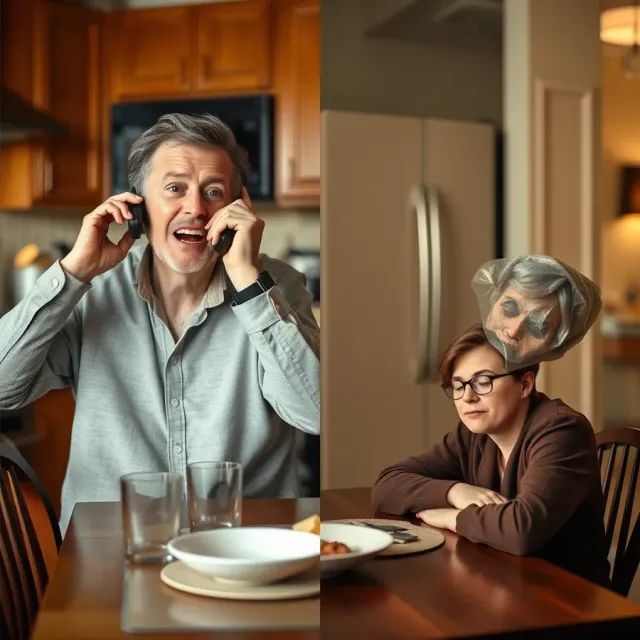
Marta and Daniel in the reading disagreed about a company event. Disagreements like this happen everywhere: with family about holidays, with friends about where to eat, with colleagues about how to work. Some people argue loudly and get over it quickly; others stay quiet to keep the peace.
Are you more like Marta, who pushed back directly, or Daniel, who softened his words? Has that style ever caused a problem for you?
-

Online, people disagree all the time, and comment sections can get very rude. Some people say the internet makes everyone more aggressive because there are no faces and no consequences. Others think people were always like this; now we just see it more.
Why do you think people disagree so rudely online? Would you ever push back against a stranger's post, or do you stay out of it?
-

Imagine your manager suggests a plan that you think will fail. If you say nothing and it fails, you might look bad too. If you push back too strongly, you might damage the relationship. Many people struggle with exactly this situation at work.
If your boss proposed a plan you thought was a bad idea, what would you do? How would you make your disagreement sound tactful?
-
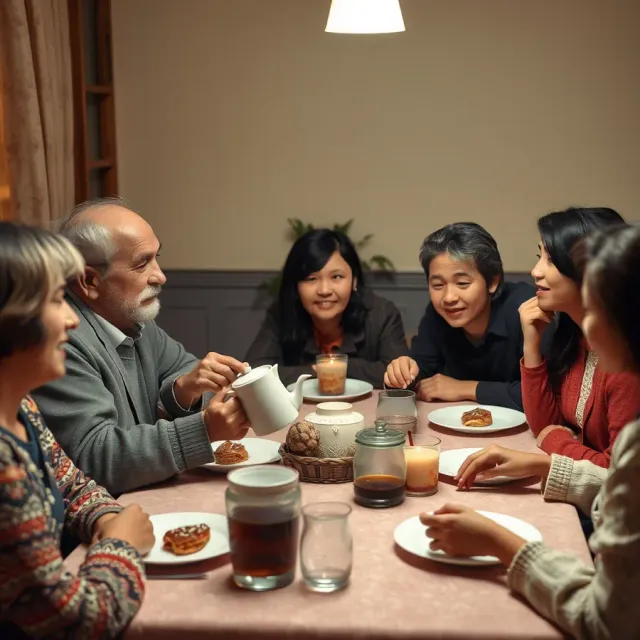
Different cultures have different rules about disagreement. In some places, saying 'no' directly to an older person or a boss is very rude, and people use silence or hints instead. In others, direct disagreement is seen as honest and healthy.
How do people in your culture show disagreement without saying 'I disagree'? Do you think being very direct is rude, or is it respectful?
-

Marta and Daniel didn't get exactly what they wanted, but both felt respected. Some people believe a good compromise means everyone gives something up. Others say compromise just means nobody is truly happy, and it's better to keep arguing for what you believe.
Do you think compromise is always the best way to end a disagreement? Tell me about a time you compromised. Was it worth it?
10 Quiz
A short review at the end of the lesson to check what you remember.
-
Your friend says, 'I'm a little worried the plan might be too expensive.' This is an example of...
Show answer
softening a disagreement
The words 'a little worried' soften the message, making it sound like a concern rather than an attack.
-
True or false: 'We don't see eye to eye' means we agree completely.
Show answer
False
It means the opposite: we don't share the same opinion. 'See eye to eye' means agree; with 'don't', it means disagree.
-
Which phrase means 'opinions or interests that two people share'?
Show answer
common ground
Common ground is what you share with someone, and finding it helps end disagreements peacefully.
-
True or false: being tactful means saying exactly what you think, even if it hurts people.
Show answer
False
Tactful means choosing your words carefully so you don't upset anyone. Saying hurtful things directly is the opposite: tactless.
-
The team ___ against the new rules because they felt they were unfair.
Show answer
pushed back
'Push back against' means to resist or object to something, which fits a team that thinks the rules are unfair.
-
If two people's opinions **clash**, what is the most likely result?
Show answer
They strongly disagree.
When opinions clash, it means they are in conflict or they cannot agree.
Lesson created with PlanwiseESL.
Useful for: English for diplomats, UN staff and aid workers · Business English lessons
More sample lessons
The Pros and Cons of International Aid
Discuss the pros and cons of international aid in English. Learn words like crisis, sustainable and corruption. A B2 speaking lesson I teach live.
See the lesson → Level C1Thinking in English: Ditching the Mental Translator
Stop translating in your head when you speak English. Learn why it happens and how English becomes a reflex. A C1 speaking lesson I teach live.
See the lesson → Level B2Talking About Inequality
Learn words to talk about inequality, like gap, privilege, disadvantage and discrimination, and use them to discuss fairness. A B2 lesson I teach live.
See the lesson →All sample lessons: Health and Fitness Vocabulary in English · Vocabulary to Talk About Films in English · Vocabulary to Talk About Money in English · Vocabulary to Talk About the Environment in English · Words to Describe a Leader in English · Explaining a Technical Problem in English · Handling Price Objections in English · How to Keep a Conversation Going in English · Patient Handover English for Doctors and Nurses · Presenting Monthly Results in English · Understanding Contracts in Plain English · How to Answer Questions After a Presentation in English · How to Talk About Your Career Goals and Leadership in an Interview · Vocabulary to Talk About Geopolitics in English · What British Colleagues Really Mean: Polite, Indirect English at Work · Vocabulary to Talk About AI in English · Business Small Talk in English